🌱 Well-being · Path 3
Emotional Intelligence
Understand, express and manage emotions, and build healthy relationships.
Play these
4 games on this path — each one grows more than one thing at a time.
 Emotion RecognitionAges 3–5
The Emotion Detective
▶ Play Thought–Emotion ConnectionAges 6–11
Thought Then Feeling
▶ Play Physical Awareness of EmotionsAges 6–11
Where Do You Feel It?
▶ Play Mindfulness & Self-Calming65+
Breathe with Beary
▶ PlayThese grow it too, along the way
1 games that are mostly about something else, and build this on the side.
Stories on this path
63 stories from real moments in a child's day — each stops so you can choose, then shows what happened, how it felt, and what to take with you.
3.1 Emotional Awareness4

 you decide


3.2 Emotional Regulation2


3.3 Emotional Expression2


3.4 Empathy2


3.5 Social Awareness15







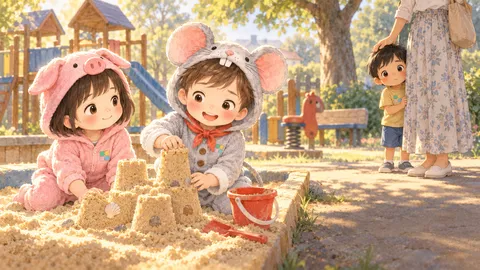







3.6 Relationship Skills1

3.7 Conflict Resolution3



3.8 Stress Management2


3.9 Resilience2


3.12 Self Management14

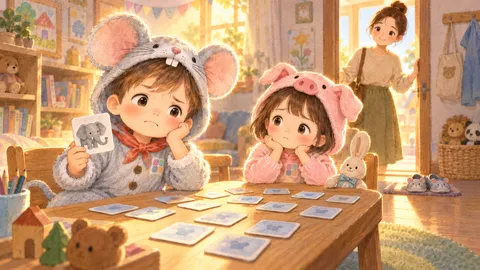












3.13 Relationship Management16
















What this path is made of
13 skills and 40 things you can actually watch a child do. Not a score — the behaviour itself.
3.1 Emotional Awareness
10Recognizing and accurately identifying your own emotions.
Emotion Recognition · Self-Emotion Awareness · Emotion Identification · Emotional Triggers Awareness · Physical Awareness of Emotions · Thought–Emotion Connection · Emotion–Behavior Connection · Awareness of Others' Emotions · Emotional Reflection · Emotional Vocabulary
3.2 Emotional Regulation
Managing emotions in healthy and appropriate ways.
Being written
3.3 Emotional Expression
Expressing thoughts and feelings clearly, respectfully, and appropriately.
Being written
3.4 Empathy
Understanding and responding to the emotions and perspectives of others.
Being written
3.5 Social Awareness
10Recognizing social cues, group dynamics, and the emotions of people around you.
Perspective Taking · Recognizing Social Cues · Understanding Diversity · Respect for Others · Compassion · Appreciation of Others · Social Sensitivity · Community Awareness · Inclusiveness · Global Awareness
3.6 Relationship Skills
Building and maintaining healthy, positive, and supportive relationships.
Being written
3.7 Conflict Resolution
Resolving disagreements peacefully through communication, understanding, and compromise.
Being written
3.8 Stress Management
Coping effectively with pressure, frustration, disappointment, and change.
Being written
3.9 Resilience
Recovering from setbacks, adapting to challenges, and maintaining emotional well-being.
Being written
3.10 Responsible Decision Making
Making thoughtful decisions by considering emotions, values, consequences, and the well-being of others.
Being written
3.11 Self Awareness
Being written
3.12 Self Management
10Emotional Regulation · Impulse Control · Stress Management · Self-Control · Adaptability · Perseverance · Self-Motivation · Delayed Gratification · Emotional Recovery · Mindfulness & Self-Calming
3.13 Relationship Management
10Building Positive Relationships · Trust & Reliability · Effective Communication · Active Listening · Cooperation & Teamwork · Conflict Resolution · Giving & Receiving Feedback · Healthy Boundaries · Relationship Repair · Positive Relationship Maintenance